
Edge Computing vs Cloud Computing – The Key Differences

Loading...

Cloud computing, a significant player in the edge computing vs cloud computing debate, is pivotal in optimizing IoT devices. This cloud-based structure simplifies the development, deployment, and management of applications. It is a robust platform for application data, scales to support extensive user interactions, and can store and examine extensive volumes of data, leading to insightful visualizations.
Edge computing, often contrasted in the edge vs cloud discussion, operates outside traditional data centers, bringing software, services, and data analysis closer to the user. It’s closely linked with the Internet of Things.
This approach shifts focus from the centralized cloud model, where data centers are the hub of activity. Edge computing operates by processing and making decisions locally, rather than depending on cloud-based services, enhancing efficiency and responsiveness.
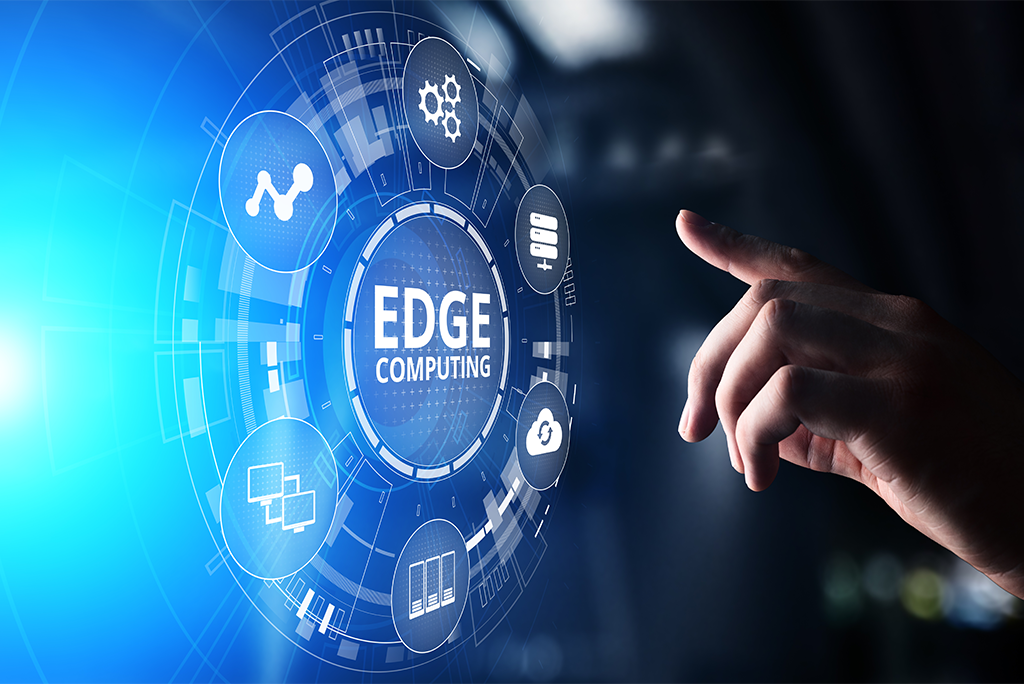
Edge computing is a computing setup that moves business applications closer to sources of data, like IoT devices or edge servers nearby. Being near the source of data can offer major benefits for businesses, including faster insights, improved response times, and better bandwidth availability.
In essence, edge computing involves processing data as close to the originating source as possible. This reduces the need for long-distance communications between client and server, which in turn minimizes latency and bandwidth use. Edge computing boosts application performance by allowing analytics and data collection to take place at the data’s origin and services that demand real-time computing power.
Cloud computing is a technological framework that provides computing services—like servers, storage, databases, networking, and software—over the internet (“the cloud”) to offer faster innovation, flexible resources, and economies of scale.
It typically operates on a pay-as-you-go model, allowing users to access and manage vast computing resources remotely without needing significant hardware investment or management. The services can range from full applications and development platforms to servers and storage and can be deployed privately, publicly, or as a hybrid of both.
Understanding the difference between edge computing and cloud computing is crucial for making informed decisions.
| Factor | Edge Computing | Cloud Computing |
|---|---|---|
| Definition | Edge computing refers to processing data near the source of data generation. | Cloud computing involves processing data in remote data centers. |
| Data Processing Location | At or near the source of data (e.g., IoT devices). | Centralized data centers are often far from the source of data. |
| Latency | Low latency due to proximity to data sources. | Higher latency compared to edge computing due to the distance from data centers. |
| Bandwidth | Reduces bandwidth needs by processing data locally and sending only necessary data to the cloud. | Higher bandwidth is required to transfer data to and from centralized data centers. |
| Use Cases | Real-time analytics, IoT devices, autonomous vehicles, local content caching. | Big data analytics, cloud storage, online gaming, streaming services. |
| Data Privacy & Security | Potentially more secure due to local data processing; however, requires robust security at each edge node. | Centralized security measures: data is protected in well-secured data centers but travels over the internet. |
| Scalability | Scalable in terms of deploying more edge devices, but each device has its limitations. | Highly scalable; resources can be added or reduced as per demand in the cloud infrastructure. |
| Cost | Lower transmission costs, but infrastructure and maintenance can be expensive. | Lower upfront costs, pay-as-you-go models, but costs for data transmission and services can add up. |
| Reliability | Dependent on the local hardware and network; can be affected by local failures. | Generally, more reliable due to redundant systems and backup mechanisms in data centers. |
| Connectivity Dependency | Can operate with intermittent connectivity, suitable for remote or mobile environments. | Requires stable internet connection for accessing and processing data. |
More articles about Cloud Computing you might want to check out:
Edge computing positions processing and data storage nearer to the point of requirement, enhancing response efficiency and conserving bandwidth. Here are some prominent use cases:
Cloud computing, central to the what is edge vs cloud conversation, offers scalable computing resources, enabling businesses to grow and scale without the heavy investment in physical infrastructure. Key use cases include:
Edge computing offers speed and local data processing, ideal for immediate actions. Cloud computing provides vast resources and scalability for extensive data handling and analysis. Balancing both, a nuanced understanding of edge computing and cloud computing difference can optimize your business operations.
TECHVIFY understands the difference between edge and cloud computing and specializes in crafting cloud solutions that fit your specific needs, ensuring you harness the full potential of both.
Looking to enhance your tech capabilities? Contact TECHVIFY for expert guidance and tailored cloud services.
TECHVIFY – Global AI & Software Solution Company
From Startups to Industry Leaders: TECHVIFY prioritizes results, not just deliverables. Accelerate your time to market and see ROI early with high-performing teams, AI (including GenAI) Software Solutions, and ODC (Offshore Development Center) services.