
IoT in Fintech – A Deep Dive into the Future of Banking

Loading...

The Banking, Financial Services, and Insurance (BFSI) industry has dramatically evolved from the days of the barter system to the current era of digital money. IoT in Fintech has revolutionized fund transfers, making it possible to conduct transactions without the need for physical cash. While cryptocurrency is gaining attention as a potential alternative to traditional fiat currency, its widespread adoption remains speculative.
The digital revolution in finance can be largely attributed to IoT. This modern technology accelerates operations, enhances service delivery, and improves customer experience within the financial sector.
According to Markets and Markets, the global market for IoT in fintech and banking services is expected to increase from $249.4 million in 2018 to $2,030 million by 2023, achieving an annual growth rate of 52.1% over this period.
In this article, we will explore how IoT in fintech is driving innovation at the intersection of finance and technology.
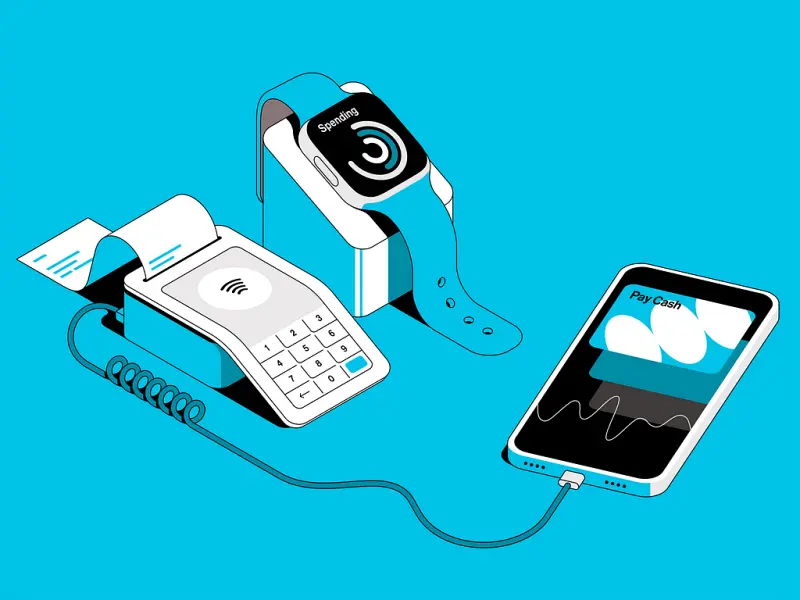
The use of IoT in finance has introduced concepts like the Bank of Things. IoT provides valuable data that helps banking and insurance institutions improve their services. Integrating IoT into financial services has many benefits. Let’s explore how IoT can transform the system.
IoT can transform traditional banks, creating a more connected environment that prioritizes customer value. For example, customers’ account details could be delivered through an IoT-based app or device for real-time service upon entering a branch. Customers can also schedule cash withdrawals from nearby ATMs.
By analyzing data from IoT devices, banks can strategically place ATMs and branches to meet customer demand better.
While many financial mobile applications inform users about their spending and suggest ways to save money, integrating IoT technology can enhance this process significantly. IoT can help users identify and understand their spending patterns more comprehensively and even assist them in changing these patterns if necessary. This capability goes beyond traditional payment statements, which merely list expenses without offering deeper insights.
Integrating AI with IoT enhances the security of IoT devices and protects them from cyber threats. AI-powered IoT devices can detect unauthorized attempts to access data, promptly alerting financial institutions to take protective and proactive measures.
For instance, if a cybercriminal tries to make a payment using stolen credentials from an unfamiliar device or location, the system can immediately alert the institution to block the transaction.
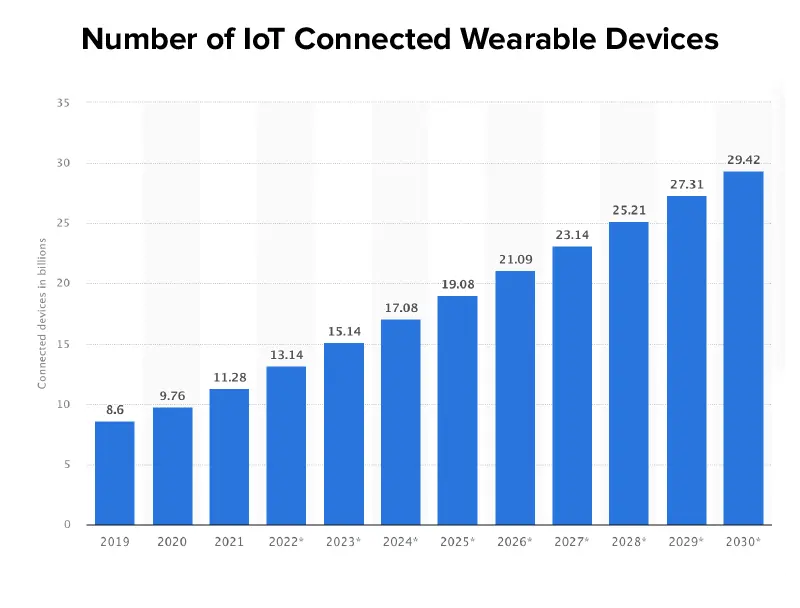
Cash transactions are becoming outdated, and even credit/debit cards are losing relevance. IoT wearable payment systems allow users to pay directly through wristbands, watches, smart clothing, jewelry, or other connected devices. These devices also let users check their credit history and account balances. According to Statista, the global number of IoT-connected devices is anticipated to grow from 8.6 billion in 2019 to 29.42 billion by 2030.
With IoT technology, banks can significantly improve personalized customer services. For instance, fintech institutions use AI combined with IoT to offer immediate support. IoT devices like smartphones notify branch managers when customers arrive, enabling automatic assignment to service providers. This enhances customer experience and satisfaction.
Context-aware smart devices also enable financial institutions to optimize customer service. They can send personalized greetings and messages as customers arrive.
The adoption of voice technology has surged since its inception in the IT sector, and fintech companies have found innovative applications for it. For instance, in 2016, Capital One introduced features in Alexa that allowed users to manage sensitive financial data, such as checking credit/debit card balances, viewing pending transactions, and accessing loan information.
Traditionally, risk assessment in the insurance and loan sectors has been manual. However, the adoption of IoT in fintech has revolutionized this practice.
How does it work?
IoT sensors gather essential data about individuals, which insurance providers utilize to track and analyze habits and patterns related to health, driving, and more. This data allows insurers to identify candidates who qualify for insurance based on their behavior and history.
For example, vehicle insurers can offer customized protection packages by examining data such as average speed, driving behavior, and other relevant factors collected by IoT sensors in and around the vehicle.
Note: These sensors might increase the vehicle’s maintenance costs, which insurers might need to cover.
Find out more insights about Banking, Financial Services, and Insurance industry:
Diebold Nixdorf is a prominent provider of ATMs and financial services technology. Their smart ATMs are equipped with IoT technology to enhance functionality and customer experience. These ATMs use sensors and connectivity to monitor various aspects of their operation in real-time, such as cash levels, transaction volumes, and machine health. The collected data is transmitted to a central system, enabling predictive maintenance and timely cash restocking, minimizing downtime, and improving service availability.
Features:
Pros:
Cons:
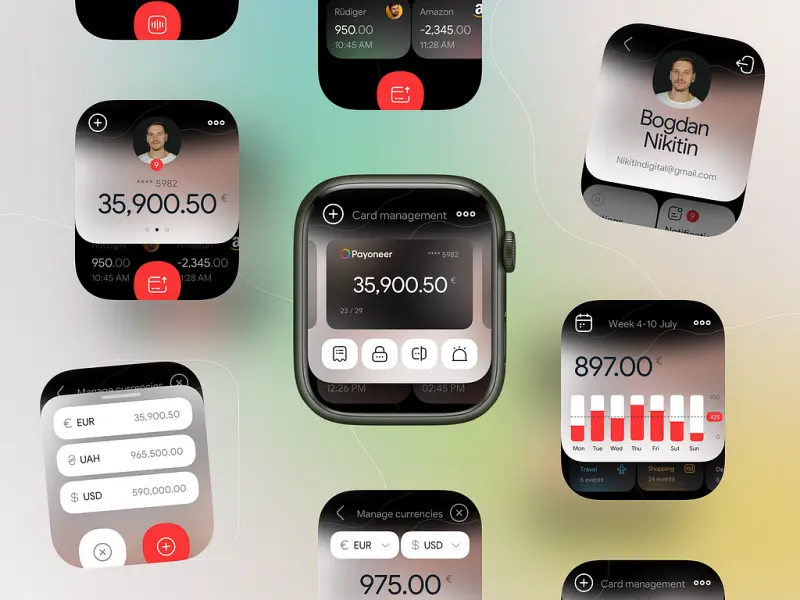
The Apple Watch is a leading example of wearable technology that integrates fintech capabilities, specifically through Apple Pay. This smartwatch allows users to make contactless payments at NFC-enabled terminals. Users can complete purchases without needing a physical wallet or phone by simply holding the Apple Watch near a payment terminal and confirming the transaction. The device also offers real-time transaction notifications, enhancing security and user awareness.
Features:
Pros:
Cons:
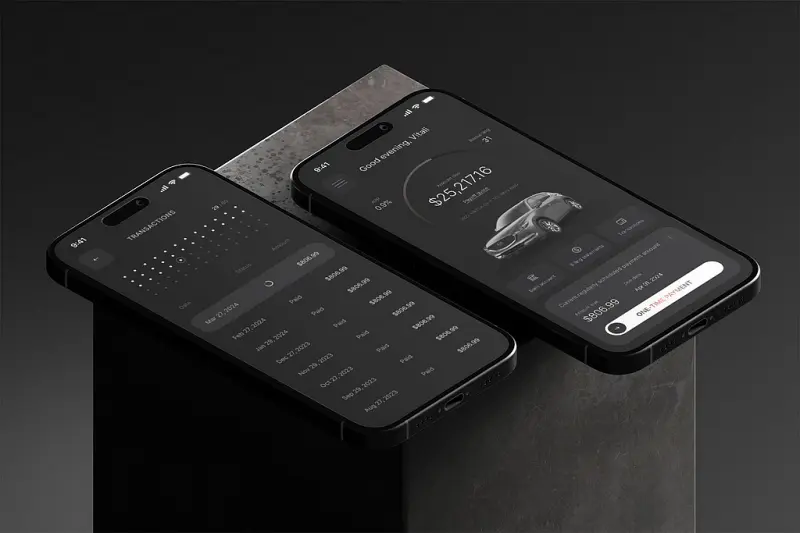
Progressive’s Snapshot program leverages telematics technology to offer usage-based insurance. Drivers install a small device in their vehicles or use a mobile app that tracks driving behavior, including speed, braking patterns, and mileage. Progressive receives this data, allowing the company to customize insurance premiums based on actual driving habits. Safe drivers can earn significant discounts on their insurance premiums, while the company benefits from more accurate risk assessments.
Features:
Pros:
Cons:
Square offers advanced Point-of-Sale (POS) systems that utilize IoT technology to provide comprehensive solutions for businesses. These systems are not just for processing payments but also offer features like real-time inventory management, customer analytics, and seamless integration with other business tools. By connecting various components of a retail operation, Square’s smart POS systems help businesses optimize their sales processes and improve customer service.
Features:
Pros:
Cons:
Bank of America’s Erica is a virtual financial assistant that integrates with smart home devices like Amazon Echo and Google Home, providing a hands-free banking experience. Users can perform various banking tasks through voice commands, such as checking account balances, paying bills, transferring money, and receiving financial advice. Erica leverages artificial intelligence (AI) to offer personalized insights and proactive alerts, enhancing the overall customer experience.
Features:
Pros:
Cons:
Looking to Outsource Development?
Contact TECHVIFY, Vietnam’s Leading Offshore Software Development & Outsourcing Company, for a consultation and development services.
The outlook for IoT in the BFSI (Banking, Financial Services, and Insurance) sector is exceptionally promising. While IoT has already made significant strides in enhancing efficiency within the finance industry, there is much room for further exploration. Advancements in IoT can lead to the development of robust, interconnected systems that provide enhanced security against information breaches and fraud, addressing various challenges that FinTech companies encounter.
The immense data generated by current and upcoming IoT solutions will be pivotal for the future of the banking industry. Distributed stream computing platforms, which enable real-time analytics and pattern recognition, are set to play a crucial role in this evolution.
According to Markets and Markets, the IoT market in the financial and banking industry is expected to expand by $566.4 billion by 2027.
In essence, IoT will remain a key driver in the advancement of online banking. By 2023-2024, we anticipate a greater adoption of IoT, AI, Blockchain, and other technologies in financial transactions.
As a result, consumers will benefit from more sophisticated and tailored services that cater to their individual needs. The ongoing technological innovations in IoT and fintech will continue to shape the finance industry, necessitating that banking and financial institutions stay proactive to remain competitive.
Learn More On:
The fintech industry is rapidly evolving, driven by advancements in technology and changing consumer expectations. However, developing these sophisticated solutions requires specialized expertise and resources. This is where outsourcing IoT app development becomes a strategic choice for many fintech companies.
Outsourcing offers access to a worldwide talent pool with specialized skills in IoT fintech. Developers with expertise in IoT protocols, security, and data analytics can ensure high-quality and secure applications.
It reduces the need for significant upfront investments in infrastructure and hiring, allowing fintech companies to focus on core business activities while leveraging outsourced resources for development. Experienced outsourcing partners can expedite development, helping companies launch their IoT solutions faster.
Techvify is a renowned outsourcing company specializing in IoT app development for the fintech industry. With a strong focus on innovation and quality, Techvify has established itself as a trusted partner for fintech companies looking to leverage IoT technology.
Key Offerings:
Expertise in Internet of Things Fintech:
Comprehensive Development Services:
Agile Methodologies:
State-of-the-art Technology Stack:
Client-Centric Approach:
The global market for IoT in fintech is booming. It offers benefits such as cashless payments, improved customer support, and real-time data analysis. Successful applications include smart POS systems and home banking solutions.
Outsourcing IoT app development is a strategic move for many companies. As a leading company specializing in this area, TECHVIFY provides comprehensive services, deep expertise, and a client-focused approach. Contact TECHVIFY today to unlock innovation, boost efficiency, and stay ahead of the competition.
TECHVIFY – Global AI & Software Solution Company
From Startups to Industry Leaders: TECHVIFY prioritizes results, not just deliverables. Accelerate your time to market and see ROI early with high-performing teams, AI (including GenAI) Software Solutions, and ODC (Offshore Development Center) services.